
Your first visit
Are you not yet a patient with us? Read how to register and how the first appointment goes. In your application, you can already explain your questions and wishes.
Information for new patientsA root canal treatment may be necessary to save a tooth or molar. With magnification, we provide careful and precise treatment.

Root canal treatment with magnification helps save teeth. Here you can read about preparation, process, aftercare, and costs.
A root canal treatment is a procedure performed to save a tooth that has been affected by infection or severe damage. During this treatment, the root canals are cleaned and filled to prevent further infection. The magnification technique, such as with an endozoom, helps dentists to better visualize and thoroughly treat these canals. This leads to higher precision and care.
An endozoom is a tool that dentists use to better see and treat the root canal. Through magnification, they can perceive details more clearly, which is crucial for a successful treatment. It allows the practitioner to accurately inspect even the smallest canals and any deviations. This increases the chance of a good outcome and reduces the likelihood of follow-up treatments.
The use of an endozoom can also help in identifying complications or extra canals that are not visible to the naked eye. This makes it a valuable instrument in endodontic practice. However, the use of magnification is not a guarantee for a problem-free treatment; each situation is unique and requires an individual approach.
Before the root canal treatment, the dentist will conduct a thorough examination, including X-rays, to assess the condition of the tooth and the root canals. This helps in determining the best treatment strategy. You will receive advice on what to expect and how to prepare for the procedure.
It is important to discuss any questions or concerns with your dentist. Additionally, it may be helpful to bring someone along for support. Make sure you are aware of your medical history and any medications you are taking, as this may affect the treatment.
During the treatment, you will usually be locally anesthetized to minimize discomfort. The dentist makes an opening in the tooth to access the root canals. Using the endozoom, the canals are cleaned and disinfected. They are then filled to prevent further infection. The duration of the treatment may vary depending on the complexity of the situation.
After the treatment, the dentist will provide you with instructions on aftercare and any follow-up appointments. It is normal to experience some post-treatment pain, but this can usually be managed with over-the-counter pain relievers. Follow your dentist's instructions closely to promote smooth healing.
Aftercare is an essential part of the recovery process following a root canal treatment. It is important to maintain good oral hygiene and keep the tooth clean. You may experience mild discomfort a few days after the treatment, but this should gradually decrease. If the pain persists or worsens, contact your dentist.
Additionally, it may be necessary to schedule a follow-up appointment for placing a definitive restoration, such as a crown. This ensures that the tooth is well protected and retains its function. Keep in mind the advice of your dentist to prevent complications.
The costs of a root canal treatment can vary depending on various factors such as the complexity of the treatment and the number of root canals that need to be treated. It is advisable to inquire in advance about the costs and possible reimbursements with your health insurer.
It is important to know that the costs not only include the treatment itself but also the preparatory examinations and any follow-up appointments. Discuss this with your dentist so that you have a clear picture of what to expect.
The dentist conducts a thorough examination and takes X-rays to assess the condition of the tooth.
The root canal treatment is performed using magnification for a precise approach.
Follow your dentist's aftercare instructions to promote proper healing.
Schedule a follow-up appointment for the placement of a crown or other restoration.
Most patients experience little to no pain during the treatment, thanks to local anesthesia. After the procedure, there may be some residual pain, but this is usually manageable with painkillers.
The duration of the treatment varies, but on average it takes between 60 and 90 minutes. This may be longer depending on the complexity of the situation.
If a root canal treatment is not performed, the infection can spread, which may lead to severe pain, swelling, and possibly loss of the tooth.
Yes, aftercare is important. Follow your dentist's instructions for a smooth recovery and to prevent complications.
The coverage of a root canal treatment depends on your health insurance. It is advisable to check this in advance with your insurer.
Are you not yet a patient with us? Read how to register and how the first appointment goes. In your application, you can already explain your questions and wishes.
Information for new patientsAre you apprehensive about an appointment? Tell us what you are worried about. Read more about our guidance and discuss what explanation or support you would find helpful.
Dealing with fear of the dentistAsk what treatment is being proposed and what costs are associated with it. Do you have questions about payment? Check the information about payment options or contact us.
Payment and payment optionsRequest an appointment, and we will see together what is needed.
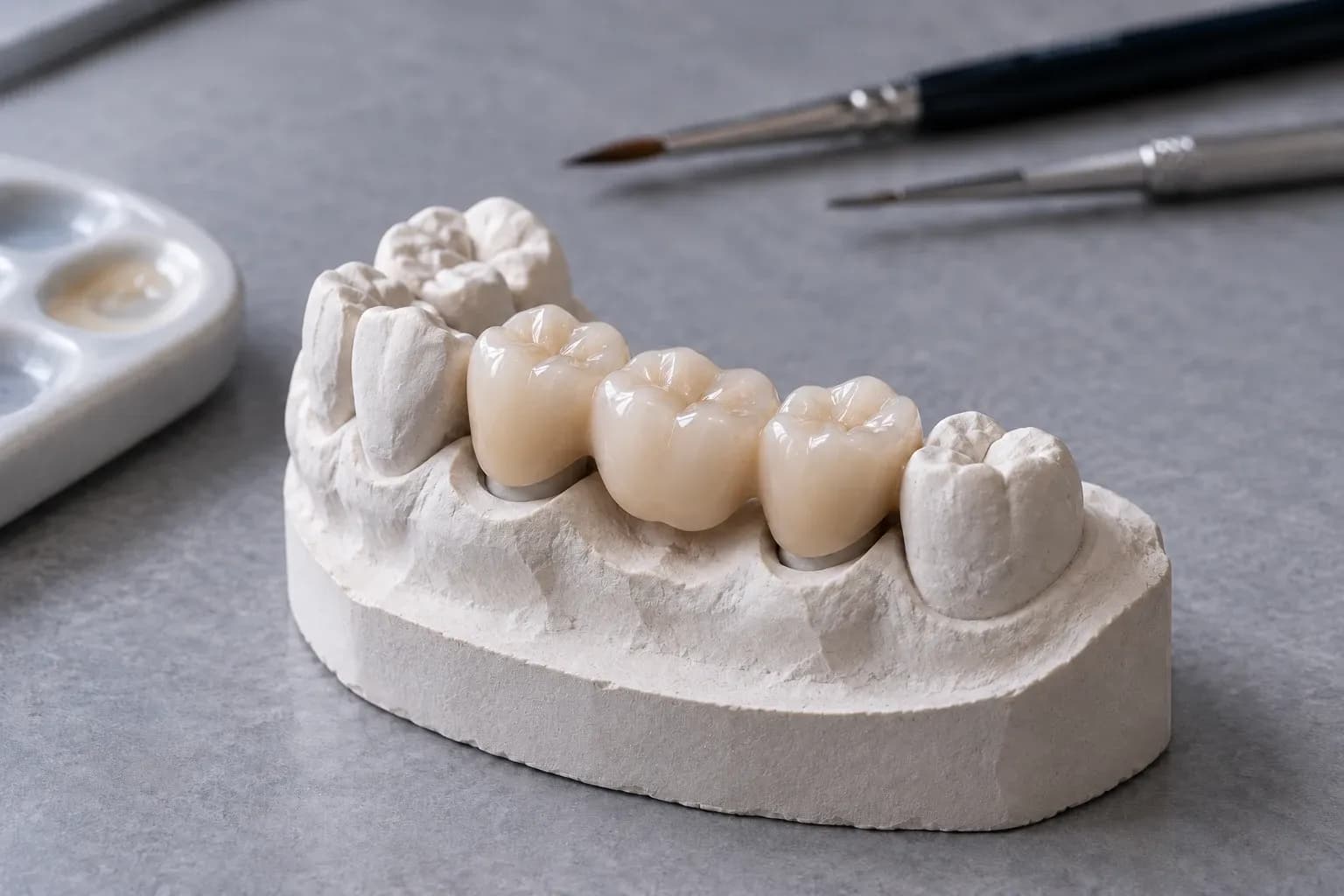
Crowns and bridges help restore damaged teeth and molars. This page provides you with insight into the differences, preparation, maintenance, and alternatives.
View options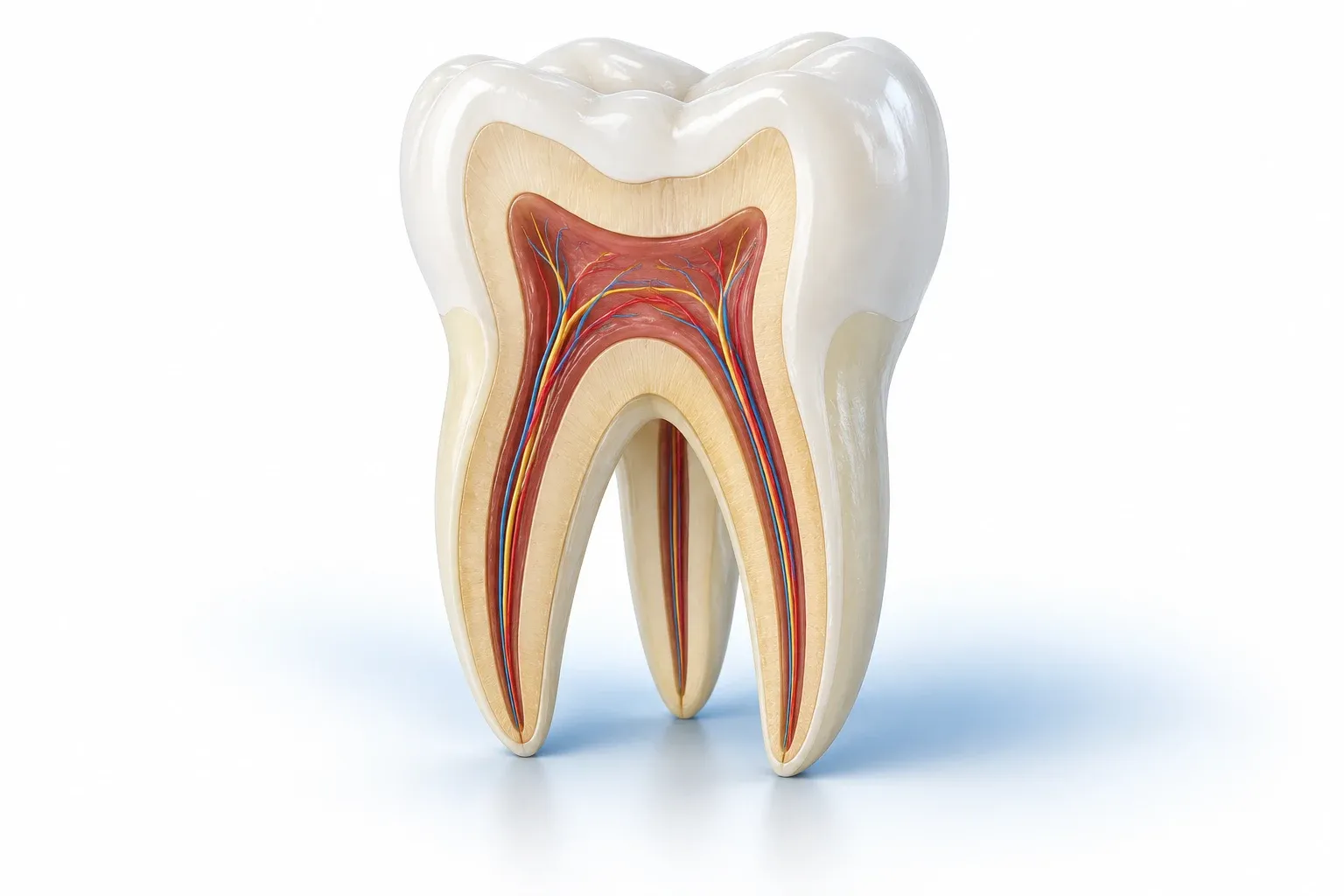
A root canal treatment helps with inflamed dental tissue. On this page, you will find information about the diagnosis, treatment steps, and aftercare.
View options
Sealants help to shield grooves in molars and thus prevent cavities. Read more about the indications, the process, and aftercare.
View options