
Your first visit
Are you not yet a patient with us? Read how to register and how the first appointment goes. In your application, you can already explain your questions and wishes.
Information for new patientsA root canal treatment may be necessary to preserve your tooth. Here you can read everything about the procedure, from diagnosis to aftercare.
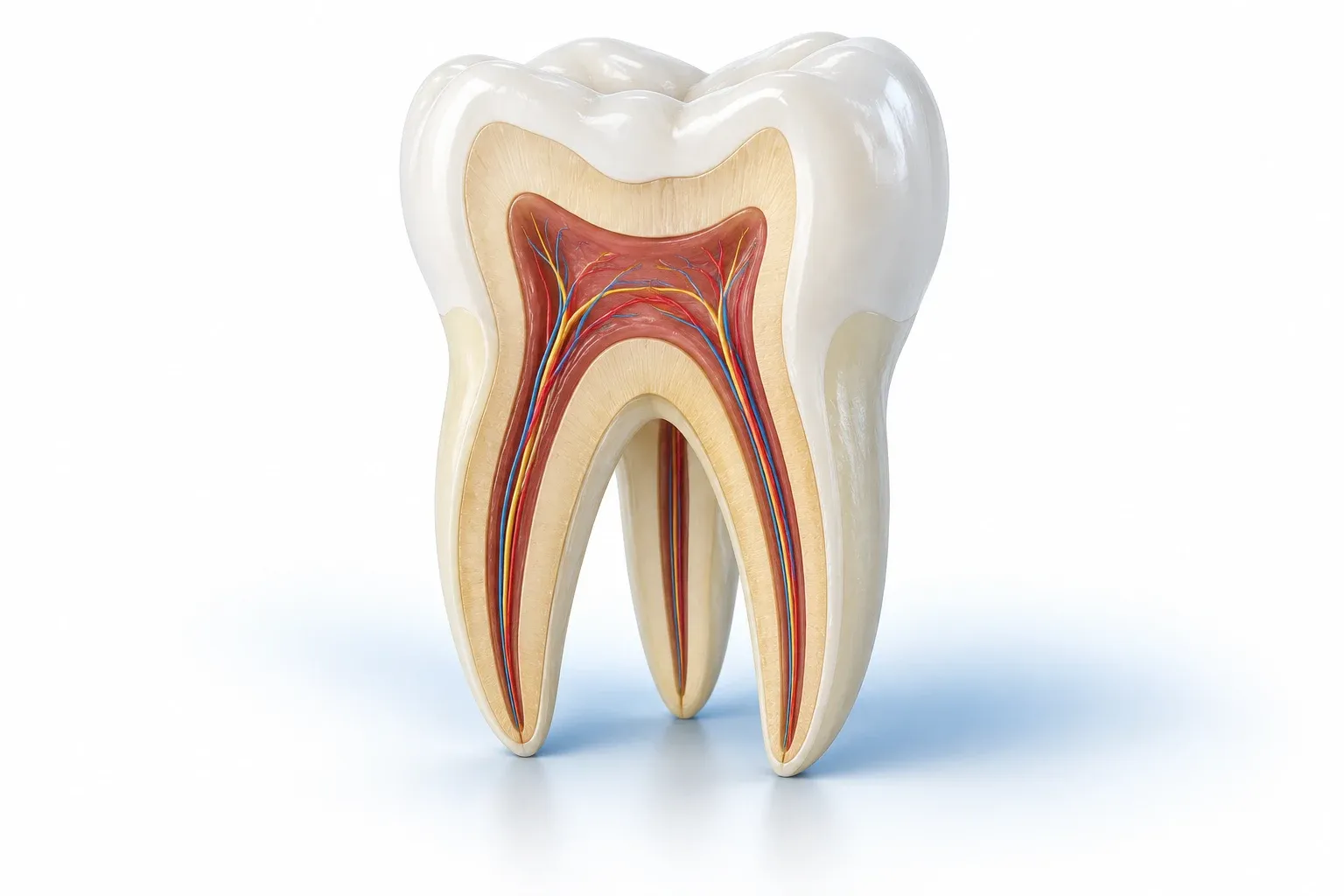
A root canal treatment helps with inflamed dental tissue. On this page, you will find information about the diagnosis, treatment steps, and aftercare.
A root canal treatment is often needed when the dental tissue around the root of a tooth becomes inflamed. This can be caused by deep decay, a fracture, or other damage to the tooth. The goal of the treatment is to preserve the tooth by removing the inflamed tissue and cleaning and filling the root canals. This prevents further infection and damage to the tooth.
Inflammation of the dental tissue can lead to pain, swelling, and even abscesses. It is important to take these symptoms seriously, as untreated inflammation can lead to more serious problems. During a check-up, the dentist can assess the health of your dental tissue and determine if a root canal treatment is necessary.
The inflammation can spread to the surrounding tissue, which can worsen the situation. By intervening in a timely manner, we can often save the tooth and prevent further complications. Preserving your natural tooth is always preferred, if possible.
In diagnosing inflamed dental tissue, the dentist uses various methods. This includes a clinical examination, X-rays, and assessing your symptoms. The dentist will also ask questions about your medical history and any pain complaints.
Based on this information, the dentist can make a diagnosis and determine the need for a root canal treatment. It is important to answer all questions honestly so that the dentist gets a good picture of your situation.
The treatment itself consists of several steps. First, the tooth is prepared by numbing it, so you feel comfortable during the procedure. Then, the dentist makes an opening in the tooth to access the root canals.
Next, the canals are cleaned and disinfected to remove all infected tissues. After cleaning, the canals are filled with a special material to protect the tooth from future infections. This process may sometimes require multiple appointments.
After the treatment, it is important to take good care of your tooth. You may experience some post-treatment pain, which is normal. Your dentist can provide recommendations for pain relief and how to maintain your oral hygiene to prevent infections.
Additionally, a follow-up appointment is essential to check if the treatment was successful and to detect any complications in a timely manner. Make sure to attend all follow-up appointments.
The costs of a root canal treatment can vary depending on various factors such as the complexity of the treatment and the location of the tooth. It is advisable to discuss with your dentist what the options are and whether your insurance covers part of the costs.
It is important to be well-informed about the financial aspects before starting the treatment. So feel free to ask for a cost overview.
During the preparation, the tooth is numbed and an X-ray is taken to assess the situation.
The dentist makes an opening in the tooth and thoroughly cleans the root canals to remove infected tissue.
After cleaning, the canals are filled with special material to prevent further infections.
You will receive aftercare instructions, including tips for pain relief and oral hygiene.
A follow-up appointment is scheduled to assess progress and ensure that the treatment is successful.
Most patients experience little to no pain during the treatment, thanks to anesthesia. After the treatment, some discomfort may occur, but this is usually manageable with pain relievers.
The duration of the treatment depends on the complexity. On average, a root canal treatment takes between 60 and 90 minutes, but sometimes multiple appointments are necessary.
It is advisable to wait a few hours before eating after the treatment, especially if you are numb. This prevents accidental biting or discomfort.
Risks include infection, pain, or incomplete cleaning of the canals. It is important to follow all instructions from your dentist to minimize these risks.
Symptoms such as persistent tooth pain, swelling, or sensitivity may indicate the need for a root canal treatment. A dentist can confirm this after examination.
Are you not yet a patient with us? Read how to register and how the first appointment goes. In your application, you can already explain your questions and wishes.
Information for new patientsAre you apprehensive about an appointment? Tell us what you are worried about. Read more about our guidance and discuss what explanation or support you would find helpful.
Dealing with fear of the dentistAsk what treatment is being proposed and what costs are associated with it. Do you have questions about payment? Check the information about payment options or contact us.
Payment and payment optionsRequest an appointment, and we will see together what is needed.

Root canal treatment with magnification helps save teeth. Here you can read about preparation, process, aftercare, and costs.
View options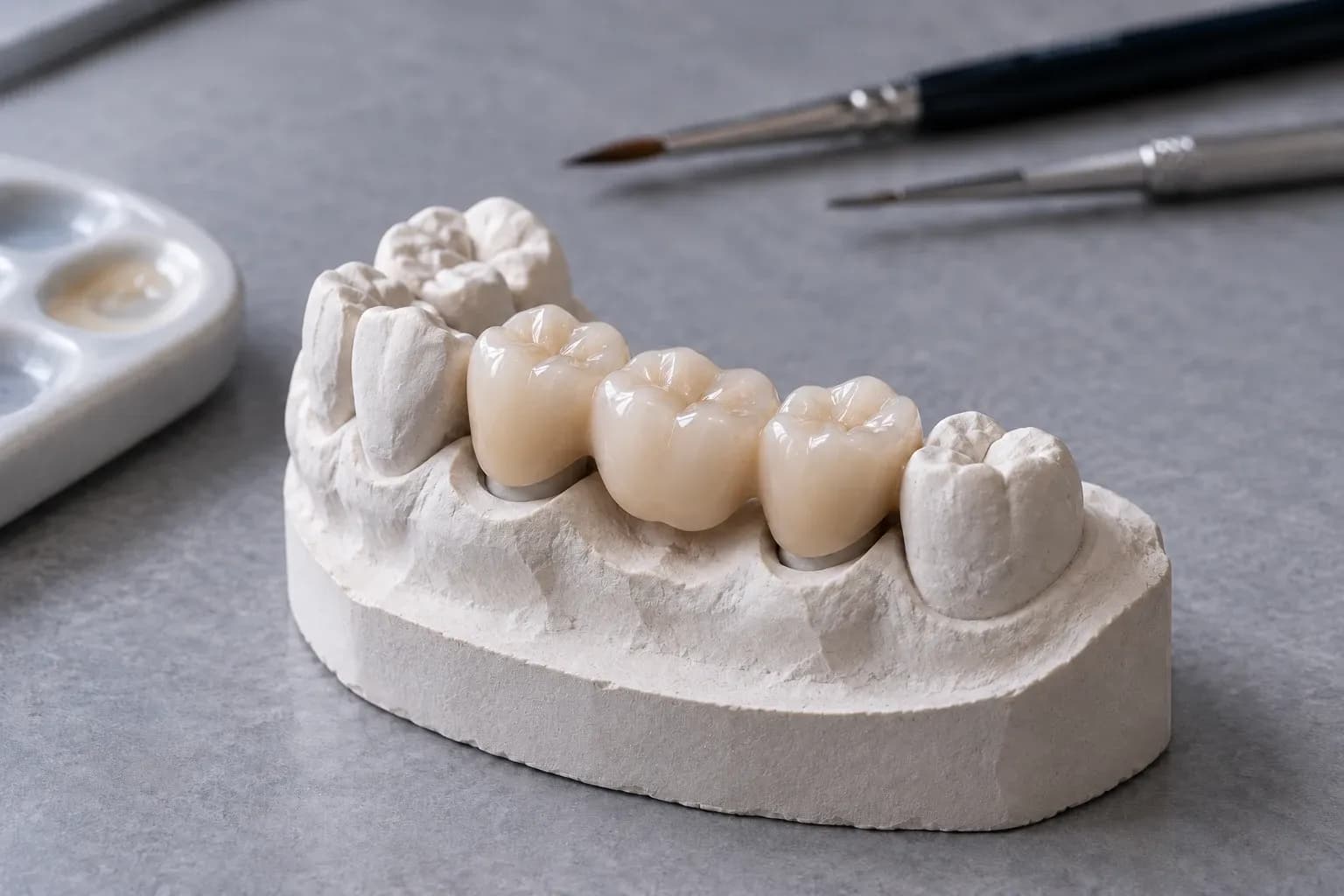
Crowns and bridges help restore damaged teeth and molars. This page provides you with insight into the differences, preparation, maintenance, and alternatives.
View options
Sealants help to shield grooves in molars and thus prevent cavities. Read more about the indications, the process, and aftercare.
View options