
Your first visit
Are you not yet a patient with us? Read how to register and how the first appointment goes. In your application, you can already explain your questions and wishes.
Information for new patientsImplantology offers a durable solution for replacing missing teeth. Discover the possibilities and care for your dentition.
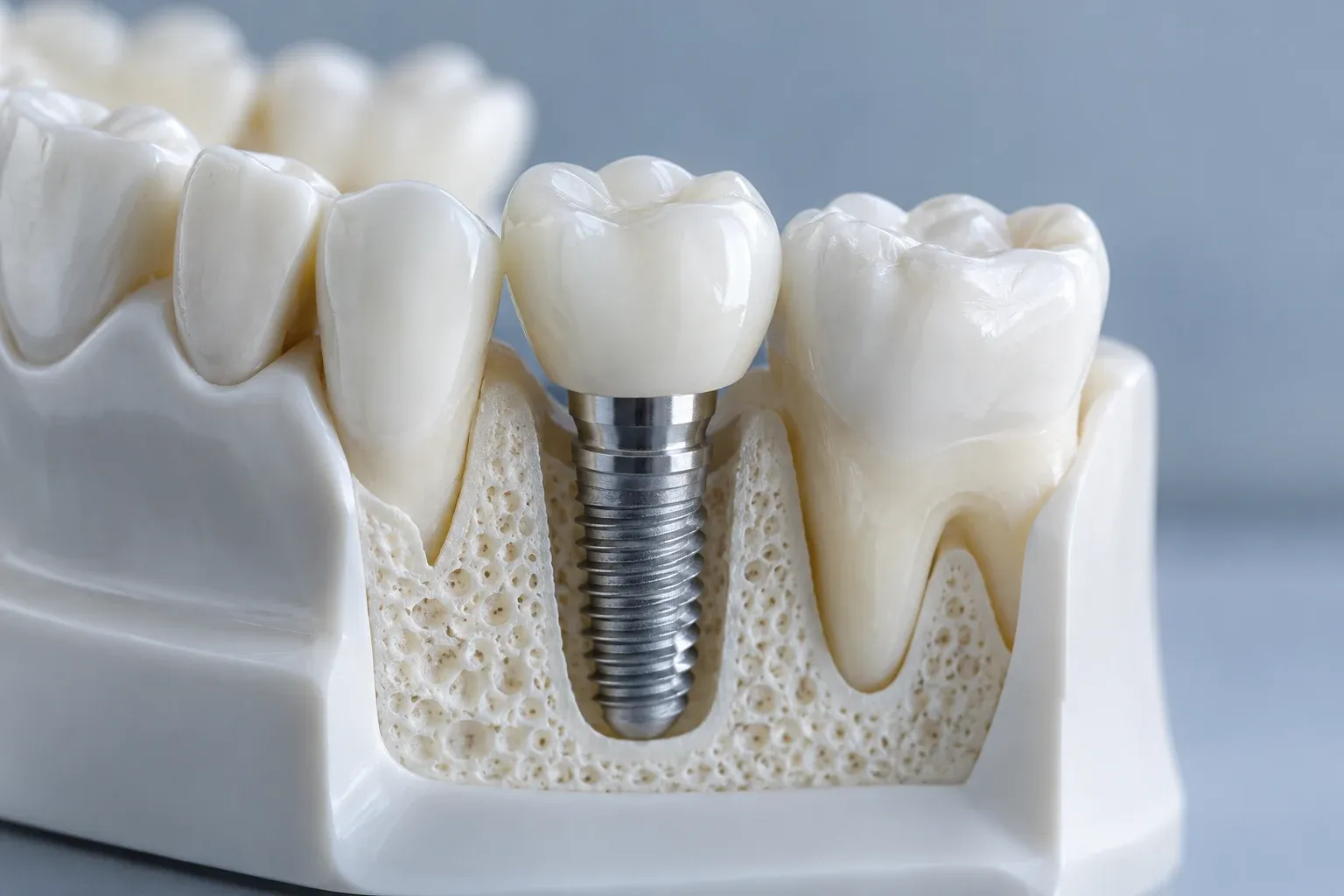
Implantology is an effective way to replace missing teeth. This page discusses the process, preparation, aftercare, and alternatives.
Implantology is a commonly used treatment for replacing missing teeth. An implant acts as an artificial root and provides a solid foundation for a crown, bridge, or denture. This not only offers aesthetic benefits but also functional advantages for your dentition. In this text, we discuss the process of implantology, preparation, aftercare, and the alternatives available.
An implant is an artificial tooth root that is placed in the jawbone. This allows for the replacement of a missing tooth or molar. The implant itself is usually made of titanium, which is well accepted by the body. It provides a stable base for a crown, bridge, or removable denture, allowing you to eat and speak comfortably again.
Before an implant is placed, it is important to assess the health of your dentition and jawbone. This is often done through X-rays and a thorough examination. The quality and quantity of the jawbone are crucial for the success of the treatment. In some cases, a bone graft may be necessary to create a solid foundation for the implant.
The preparation for an implant treatment begins with a consultation. During this consultation, the practitioner discusses your medical history and current dental health. This helps to create a personalized treatment plan that fits your specific situation. You may also undergo additional examinations to determine the best approach.
It is important to discuss which medications you are taking and any allergies or health issues. This helps to minimize potential risks. Your practitioner may also advise you to quit smoking, as this can affect healing. Good oral hygiene is also essential for a successful treatment.
The treatment itself usually consists of several steps. First, the implant is placed in the jawbone. This can be done under local anesthesia. After placement, the body needs time to integrate the implant with the bone, which can take several months. During this period, it is important to return regularly for check-ups.
After healing, a crown or bridge is placed on the implant. This is the visible part of the tooth that you will see. Placing the crown or bridge is a relatively simple procedure that can usually be performed quickly. Your practitioner will ensure that the final result is aesthetically and functionally aligned with your dentition.
Aftercare following the treatment is crucial for the maintenance of the implant. It is important to maintain good oral hygiene, such as regular brushing and flossing. You should also visit your practitioner regularly for check-ups. This helps to detect and address any problems early.
Additionally, it may be helpful to adjust your diet, especially in the first weeks after the treatment. Avoid hard or sticky foods that could put stress on the implant. Your practitioner can provide you with specific recommendations on what to eat and how to optimize your oral health.
There are several alternatives to implantology, such as bridges and removable dentures. A bridge can be placed if there are adjacent teeth that can serve as support. This can be a good option if you do not want or cannot have an implant placed. Removable dentures are another possibility, but they offer less stability than implants.
It is important to discuss with your practitioner which option best suits your situation. Each treatment has its own advantages and disadvantages, and what works for one person may not work for another. Your practitioner can help you make an informed choice that aligns with your wishes and needs.
During the first consultation, you will discuss your dental health and X-rays may be taken to map the situation.
The implant is placed in the jawbone. This is done under local anesthesia and may take some time to heal.
After healing, the crown or bridge is placed on the implant, providing an aesthetic and functional result.
After the treatment, good aftercare is important. Regular check-ups help ensure the health of your dentition.
Maintaining good oral hygiene and following your provider's advice are crucial for the preservation of the implant.
The total duration of the implant treatment can vary, but it typically takes several months from the first consultation to the placement of the crown. This includes the healing period during which the implant can integrate with the bone.
Most patients do not experience pain during the placement of the implant, as this is done under local anesthesia. After the procedure, some discomfort may occur, but this is usually manageable with pain relievers.
As with any medical procedure, there are risks involved, such as infections or healing problems. It is important to discuss these risks with your provider so that you are well-informed.
Good oral hygiene is crucial for the maintenance of your implant. This includes regular brushing, flossing, and visiting your dentist for check-ups. Your practitioner can provide specific recommendations.
Yes, there are alternatives such as bridges and removable dentures. It is important to discuss with your practitioner which option best suits your situation.
Are you not yet a patient with us? Read how to register and how the first appointment goes. In your application, you can already explain your questions and wishes.
Information for new patientsAre you apprehensive about an appointment? Tell us what you are worried about. Read more about our guidance and discuss what explanation or support you would find helpful.
Dealing with fear of the dentistAsk what treatment is being proposed and what costs are associated with it. Do you have questions about payment? Check the information about payment options or contact us.
Payment and payment optionsRequest an appointment, and we will see together what is needed.
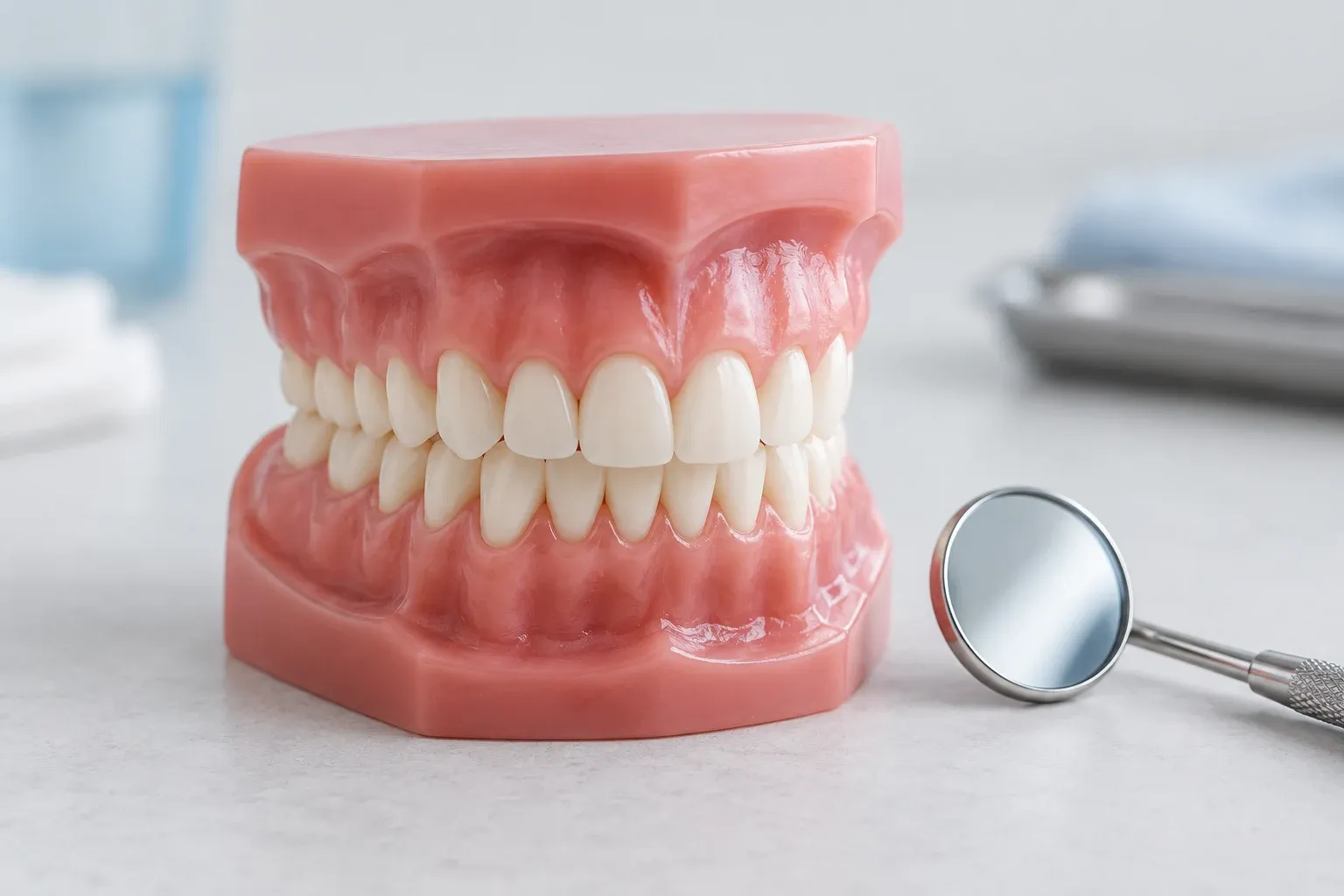
On this page, you will find comprehensive information about gum treatments, including diagnosis, treatment options, and aftercare. Each treatment is tailored to your personal situation.
View options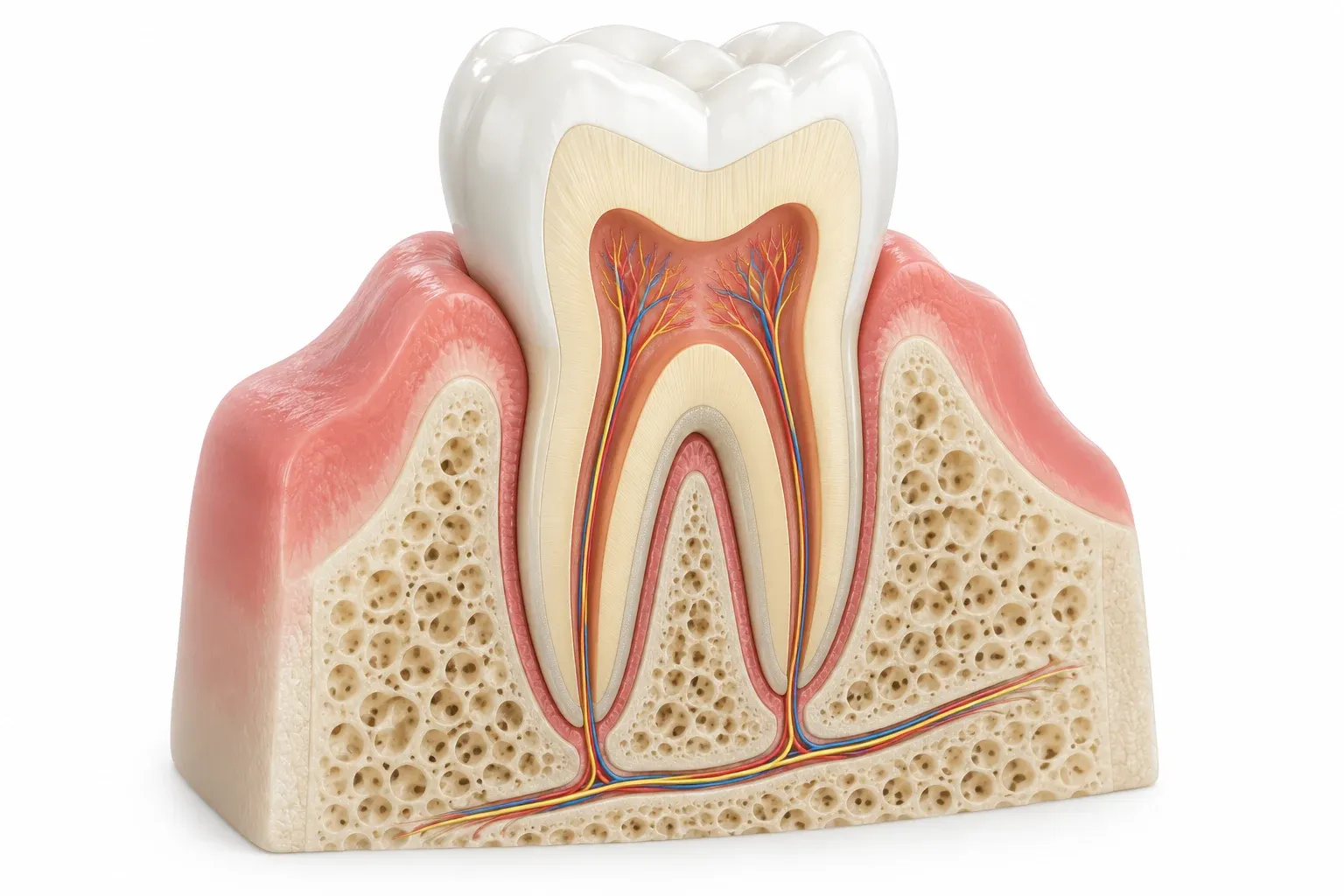
Discover the differences between superficial inflammations and deeper loss of supporting tissue, risk factors, and the importance of regular maintenance for your teeth.
View options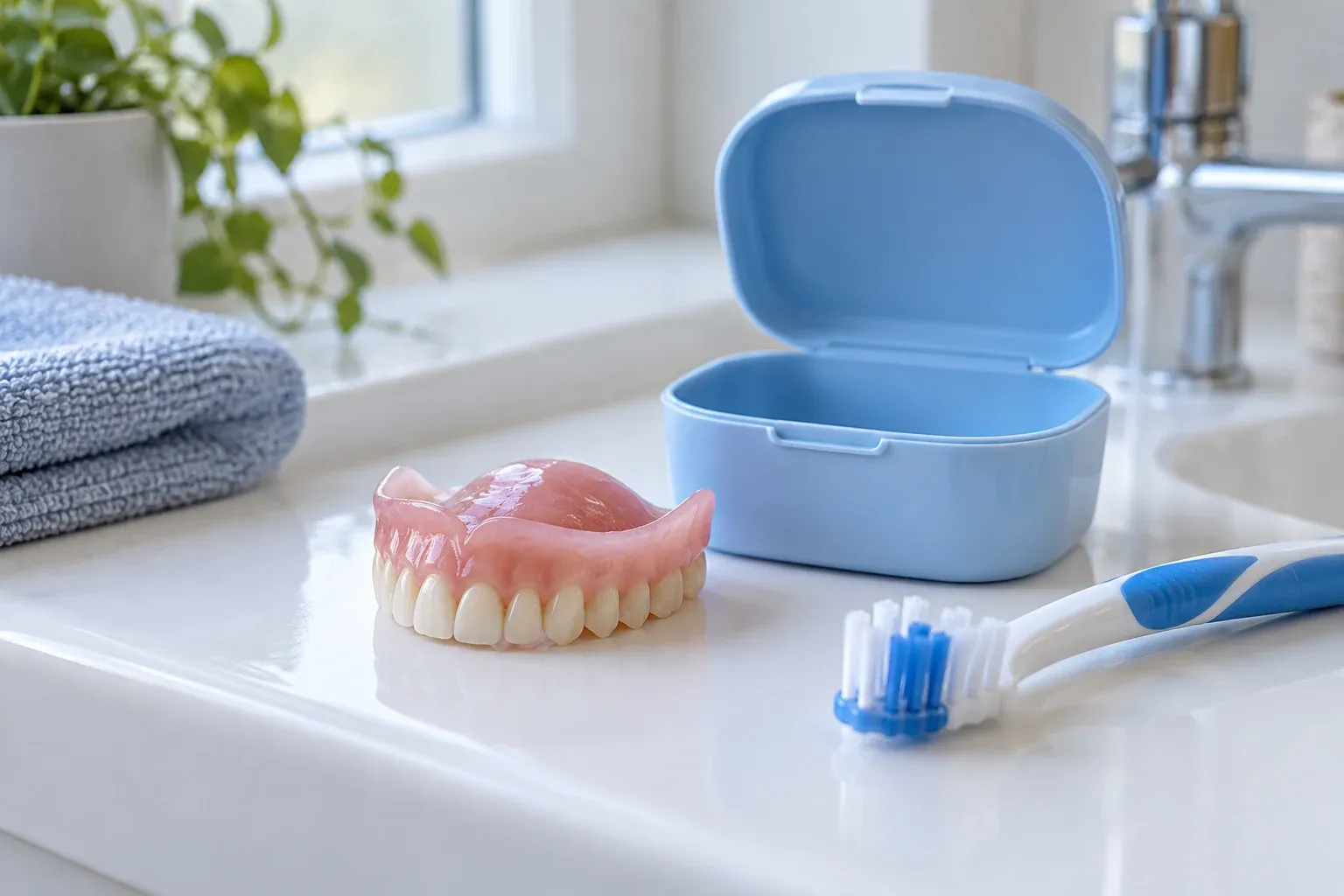
A denture provides a solution for people who have lost their natural teeth. In this guide, we discuss the various aspects of a complete removable prosthesis.
View options